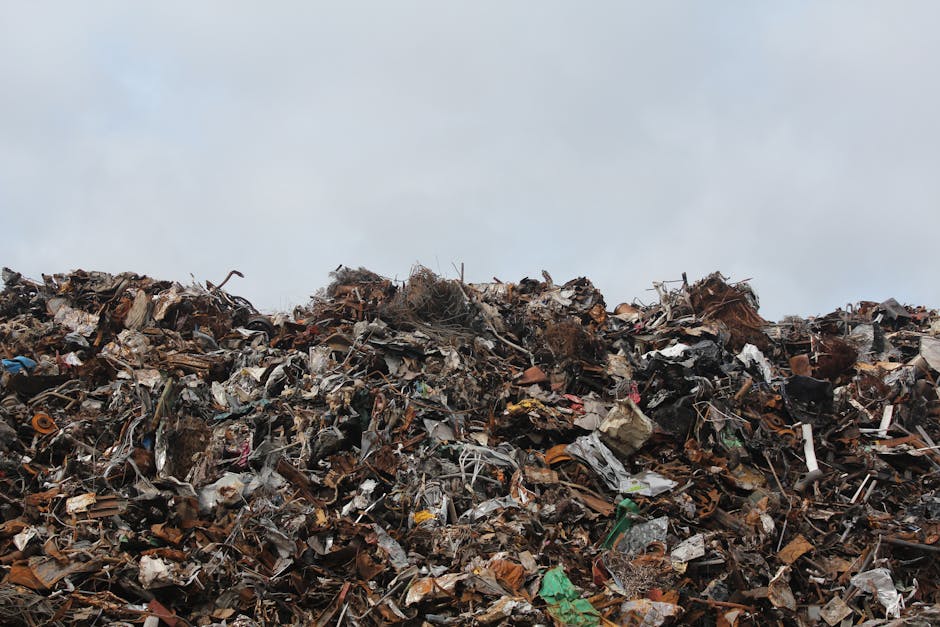
What to do when builders dump rubbish in Knightsbridge flats
If builders have left rubble, broken fixtures, timber offcuts, plasterboard, packaging, or a full skip's worth of mess in your Knightsbridge flat, the first reaction is usually a mix of disbelief and annoyance. Fair enough. It is messy, it smells stale pretty quickly, and it can turn a normal hallway into a trip hazard in no time. The good news is that there is a sensible way to deal with it. This guide explains what to do when builders dump rubbish in Knightsbridge flats, how to document the problem, what your next steps should be, and when to bring in professional help such as builders waste clearance or broader waste removal support.
Whether the waste is sitting in a communal corridor, blocking a service lift, or piled awkwardly in a box room you were hoping to keep clear, the aim is the same: protect the property, protect yourself, and get it sorted without making the problem worse.
Table of Contents
- Why this matters
- How the process works
- Key benefits and practical advantages
- Who this is for and when it makes sense
- Step-by-step guidance
- Expert tips for better results
- Common mistakes to avoid
- Tools, resources and recommendations
- Law, compliance and best practice
- Options and comparison table
- Case study
- Practical checklist
- Conclusion
- Frequently asked questions
Why What to do when builders dump rubbish in Knightsbridge flats Matters
In a flat, dumped builders' rubbish is not just an eyesore. It can become a safety problem, a neighbour dispute, and sometimes a building-management headache all at once. In Knightsbridge, where flats often have tight access, shared entrances, concierge arrangements, and limited loading space, the inconvenience can spread fast. One careless pile near the front door can disrupt residents, deliveries, and cleaning schedules before lunch.
There is also the simple matter of responsibility. Builders, contractors, landlords, managing agents, and residents may all assume someone else will deal with it. That is where delays happen. A flat can go from "slightly untidy" to "why is this still here?" very quickly. If you act early, you are much more likely to keep costs down and avoid extra damage to flooring, walls, or common areas.
Another reason this matters is reputational. In premium buildings, visible waste sends the wrong message to neighbours, visitors, and tenants. If you manage a property, you already know how quickly one bad experience can become a complaint. The earlier the issue is handled, the easier it is to keep things calm.
Expert summary: treat dumped builders' waste as a practical and time-sensitive property issue, not just a tidying job. Document it, clarify responsibility, and arrange removal before it becomes a bigger building-wide problem.
How What to do when builders dump rubbish in Knightsbridge flats Works
The process usually starts with identifying what has been left behind and who appears to have left it. Sometimes that is obvious. Sometimes not. A bag of plasterboard scraps next to a hallway wall tells a story, but not always a complete one. The aim is to gather enough information to decide whether the builder should be asked to return, whether the landlord or managing agent needs to intervene, or whether an independent clearance team should step in.
In practical terms, you normally work through four stages:
- Record the issue. Take clear photos, note the date and time, and write down where the waste is located.
- Check responsibility. Review any contractor agreement, email trail, or building rules that mention waste handling.
- Reduce immediate risk. Keep hallways and exits clear, and avoid moving heavy or sharp materials without proper protection.
- Arrange removal. If the original builder will not deal with it promptly, a professional clearance service may be the quickest fix.
That sequence sounds simple, but it is often where people trip up. They move the waste first, then realise they should have photographed it. Or they call multiple people without checking who actually commissioned the work. A bit of order at the start saves a lot of back-and-forth later. Truth be told, that is half the battle.
For larger piles, mixed materials, or awkward access in a mansion block or converted townhouse flat, a specialist team familiar with builders waste clearance can usually deal with loading, sorting, and disposal in one visit. If the waste has spread beyond one room, it may also overlap with furniture, old fixtures, or miscellaneous items that need general flat clearance.
Key Benefits and Practical Advantages
Sorting this properly gives you more than a clean floor. It reduces friction with neighbours, avoids unnecessary delay, and gives you a paper trail if the contractor disputes the mess later. In a building where people value quiet and order, that matters a lot.
- Less disruption: rubbish removed quickly means less noise, less blockage, and fewer complaints from residents.
- Lower risk of damage: sharp debris, dust, and heavy offcuts can scratch floors or mark common areas if left too long.
- Better accountability: photos and notes help if you need to challenge the builder or refer the matter to building management.
- Cleaner handover: useful if the flat is being sold, let, or reoccupied soon.
- Faster return to normal: let's face it, nobody wants to live around sacks of rubble for days.
There is also a subtle benefit people overlook: once waste is removed, you can see the actual state of the flat. Hidden damage, damp patches, cracked skirting, and unfinished snagging are easier to spot when the floor is clear. A cluttered room hides problems. A clean room tells the truth.
If the job has involved older fittings, broken shelving, or unwanted items left behind with the rubble, you may need more than basic clearance. In those cases, the additional handling can be bundled with furniture disposal or, where the scope is broader, home clearance.
Who This Is For and When It Makes Sense
This is not just a landlord problem or a managing agent problem. It comes up in a few very ordinary situations:
- Flat owners who have hired a builder and then found waste left behind.
- Tenants dealing with a contractor arranged by a landlord or letting agent.
- Landlords who need a fast turnaround between tenancies.
- Managing agents keeping communal spaces clear and compliant with building rules.
- Freeholders and resident directors wanting to avoid repeat incidents in shared buildings.
It makes sense to act immediately if the rubbish blocks access, creates a fire risk, smells, leaks dust into the corridor, or contains materials that could injure someone. It also makes sense if the builder has already gone quiet. That silence is usually not a good sign, is it?
For commercial premises attached to residential blocks, the situation can be even more sensitive. You may need to think about service hours, loading restrictions, and whether the waste belongs under a business account rather than an ad hoc domestic clear-out. In that case, business waste removal may be the more suitable route.
Step-by-Step Guidance
Here is a practical way to handle the situation without making it messier.
- Stop and assess the scene. Check whether the waste is stable, sharp, wet, or obstructing an exit. Do not rush to lift something heavy just because it looks manageable.
- Take photographs immediately. Get wide shots showing the location and close-ups showing the materials. Include any labels, contractor packaging, or delivery notes if visible.
- Write a short record. Note the date, time, room, corridor, or external area where the rubbish was left, plus any names or company details you know.
- Check the contract or messages. If the builder was responsible for clearing waste under the job agreement, you will want that written evidence ready.
- Contact the builder in writing. Keep it calm and clear. Ask for removal by a specific time, and keep a copy of the message.
- Notify the landlord, agent, or managing agent. In shared blocks, this is especially important if the waste affects common parts or fire routes.
- Prevent further spread. If safe, close doors, place warning notes, or restrict access so dust and debris do not travel through the flat.
- Arrange professional removal if needed. If the builder does not respond, or the volume is too much, book a clearance team with the right equipment and access plan.
- Check the final condition. Once removed, inspect the area for damage, leftover dust, and any hidden waste in cupboards, corners, or behind furniture.
A small but useful detail: if you are in a building with a porter, concierge, or loading bay rules, tell them what day the collection is expected. It avoids awkward "who are these people and why are they here with sacks?" moments. Happens more often than you'd think.
Expert Tips for Better Results
There are a few things that make a real difference, especially in Knightsbridge where access can be tight and residents are rarely delighted by avoidable disruption.
Use photos like a diary, not like decoration
One photo is better than none, but a small sequence is much more useful. Photograph the waste before any movement, then again after it has been separated or bagged. If the matter becomes disputed, a tidy trail of evidence helps a lot.
Keep materials separated where possible
Mixed builders' waste is harder to handle. If safe to do so, keep rubble, timber, cardboard, metal, and old fittings apart. That can make removal more efficient and sometimes improves sorting at the next stage. It is also less chaotic. People underestimate how much calmer a space feels once the waste is properly grouped.
Ask who is responsible before you pay twice
This is a big one. Sometimes residents pay for removal first, then later discover the builder's contract already covered waste disposal. That is a painful, very avoidable mistake. Check the paper trail, even if it is just a series of texts and emails.
Choose access-friendly clearance timing
In a flat, timing matters. Early morning may be better for avoiding neighbours, but not if the building has strict access windows. Midday might work if the lift is quieter. There is no magic formula, just sensible planning.
Use the right service for the actual waste mix
If the issue is purely construction debris, a focused clearance is usually best. If the builder has dumped debris alongside old cabinets, mattresses, or spare items from the flat, a broader service may be more efficient. That is where a combined approach can save repeat visits.
One last thing: do not assume the cheapest route is the easiest. The cheapest route can become the most expensive if the crew arrives without the right access plan and has to come back. A classic. Not glamorous, but common.
Common Mistakes to Avoid
Most problems come from haste, not from bad intentions. Here are the ones we see most often.
- Moving waste before documenting it. Once it has been shifted, proving where it was left becomes harder.
- Assuming someone else will sort it out. In shared buildings, that can leave the rubbish sitting there for days.
- Using household bins for builder waste. That often creates overflow, contamination, and avoidable complaints.
- Ignoring hidden debris. Dust in cupboards, nails in carpets, and shards behind radiators are easy to miss.
- Booking removal without checking access. Narrow stairwells, lift limits, and parking restrictions can all slow the job.
- Throwing away evidence too early. Keep photos, messages, and invoices until the issue is fully resolved.
It sounds obvious, but when people are stressed they get a bit scattershot. Totally normal. Still, a slower first ten minutes often saves the whole day.
Tools, Resources and Recommendations
You do not need a giant kit to manage this properly, but a few practical tools help.
- Phone camera: for before-and-after photos and timestamps.
- Notepad or notes app: to record what was left, by whom, and when.
- Heavy-duty gloves: useful if you need to move safe, small pieces while waiting for clearance.
- Dust sheets or covers: helpful if the waste is shedding dust near furniture or flooring.
- Strong bin bags or rubble sacks: only if the materials are safe to bag and not too heavy.
- Clear communication with building staff: a simple message to concierge or management can prevent repeat confusion.
For larger jobs, the best resource is often a provider that can handle the collection, lifting, transport, and sorting in one visit. If the flat also contains old furniture or mixed household items, a combined service may be more efficient than separate small jobs. In some cases, recycling and sustainability should also be part of the plan, especially where timber, metal, and cardboard can be separated for better recovery.
If you want a clearer sense of what the service includes, it can help to review the company's pricing and quotes approach before booking, so you know what is included and what might affect the final price.
Law, Compliance, Standards, or Best Practice
When builders dump rubbish in a flat, the legal and practical side is worth taking seriously, even if you never need to escalate anything formally. In the UK, waste should be handled responsibly, and anyone producing waste from building work is normally expected to arrange lawful collection and disposal. The exact duties depend on the setup, but the general principle is simple: the person creating the waste should not just abandon it and hope for the best.
From a building-management perspective, best practice usually means keeping fire escapes and communal areas clear, avoiding blocked corridors, and making sure waste does not remain in shared spaces longer than necessary. In a Knightsbridge block, where residents may expect a high standard of presentation, this is not just tidy-housekeeping thinking; it is part of good property care.
If contractors are on-site, it is wise to confirm in advance who removes rubble, packaging, timber, old fittings, and dust. Do not leave that vague. Vagueness is where waste ends up parked beside a lift for three days while everyone points at each other.
For landlords and managing agents, it is also sensible to keep records of contractor instructions, waste arrangements, and any complaints procedure if the issue affects neighbours or common parts. Clear paperwork is not exciting, but it helps if the matter escalates. For transparency around how enquiries and services are handled, some readers also like to review an operator's about us page, plus its insurance and safety information and health and safety policy.
Options, Methods, or Comparison Table
There are a few different ways to deal with dumped builders' rubbish. The right one depends on volume, urgency, access, and who is actually responsible.
| Option | Best for | Pros | Watch-outs |
|---|---|---|---|
| Ask the builder to remove it | Small, fresh piles where responsibility is clear | Fast if they cooperate; may avoid extra cost | Can be slow if the builder is unresponsive |
| Arrange building management involvement | Shared areas, communal corridors, or repeated issues | Good for record-keeping and coordination | May still need a separate removal booking |
| Book a specialist clearance service | Mixed waste, urgent jobs, awkward access | Usually quickest practical fix | Should be matched to the waste type and volume |
| Use regular household disposal methods | Very small, safe quantities only | Simple in theory | Often unsuitable for builders' waste and may cause delays |
In practice, the specialist clearance route is often the most reliable when time matters or when the pile is no longer just a "few bits." For purely construction-related debris, a dedicated builders waste clearance visit is usually the neatest option. If the flat is being cleared after works and there are still items left behind, you may need house clearance or flat-based support as well.
Case Study or Real-World Example
Imagine a refurbished one-bedroom flat near a busy Knightsbridge street. The builder finishes the bathroom on a Friday afternoon, but leaves a mix of broken tiles, old packaging, plaster dust, offcuts, and a damaged sink base in the entrance hall. The flat owner is out of town. The concierge notices the mess first because it is sitting where deliveries normally pass through.
The first sensible move is not panic. It is photos, notes, and a quick message to the contractor asking for removal by a specific time. The building manager is informed as well, because the waste affects a communal route. By Saturday morning it is still there, and now it is clear the job needs a separate collection.
A clearance team is booked. They arrive with the right vehicle, bag the dusty fragments safely, load the heavier items, and remove everything in one go. The owner comes back to a usable flat, not a building-site echo chamber. What made the difference? Clear evidence, quick escalation, and choosing the right removal method instead of hoping it would sort itself out. It rarely does.
Practical Checklist
Use this simple checklist if you are facing dumped builders' waste in a Knightsbridge flat.
- Photograph the rubbish before touching it.
- Note the date, time, location, and any contractor details.
- Check whether the builder agreed to remove waste.
- Notify the landlord, agent, or building management if shared areas are affected.
- Keep walkways, exits, and communal areas clear.
- Separate safe materials if that will help the collection.
- Arrange a removal service if the builder does not act quickly.
- Ask about access, lift use, parking, and timing before the crew arrives.
- Keep all correspondence until the matter is fully closed.
- Review what went wrong so it is less likely to happen again.
If you are dealing with more than just rubble, or the flat needs a broader reset after renovation, a combination of flat clearance, furniture disposal, and general waste support may be the cleanest way forward.
Conclusion
When builders dump rubbish in Knightsbridge flats, the best response is calm, quick, and documented. Start by recording what has been left, work out who is responsible, and then choose the most practical removal route for the situation. Sometimes that means the contractor comes back and clears it properly. Sometimes it means a specialist team takes over because the job has already become too awkward, too urgent, or too mixed for a simple fix.
What matters most is not letting the waste sit there and quietly become everyone else's problem. A clean flat is easier to manage, easier to inspect, and a lot easier to live in. And once the rubbish is gone, the place feels like itself again. That matters more than people admit.
Get a free quote today and see how much you can save.
If you want to understand the company behind the service, you can also review the contact us page, along with the site's terms and conditions and privacy policy for additional peace of mind.
Frequently Asked Questions
Who is responsible if builders dump rubbish in my flat?
It depends on the agreement, but in most cases the contractor who generated the waste should remove it if that was part of the job. If the arrangement is unclear, check the written quote, emails, messages, or scope of works. If a landlord arranged the work, they may need to help coordinate the next step. The key is to look at the evidence first rather than guessing.
Should I move the rubbish myself before taking photos?
Only if it is safe and you have already documented the scene. In many cases, it is better to photograph everything exactly as it was left before touching anything. Sharp materials, heavy rubble, and dusty debris can cause injuries, so do not lift what you are unsure about.
Can I ask the builder to come back and remove it?
Yes, and that is usually the first practical step if responsibility is clear. Keep the request in writing and ask for a specific deadline. If they do not respond or delay repeatedly, you may need to arrange removal elsewhere to stop the issue dragging on.
What if the waste is in a communal hallway?
Tell building management or the managing agent straight away, because shared areas can create access and safety issues for other residents. Communal waste often needs a faster response than waste inside a private room, especially if it affects exits or regular traffic through the building.
Is builders' rubbish the same as household waste?
No, not really. Builders' waste usually includes rubble, plaster, timber, packaging, tiles, fittings, and other construction debris. It often needs different handling from normal household rubbish because it is heavier, dustier, and sometimes more hazardous to move.
How quickly should dumped rubbish be removed?
As quickly as possible, especially if it blocks access, creates dust, or sits in a shared space. The faster it is addressed, the easier it is to reduce complaints and prevent further damage. If access is awkward, book a time that works for the building rather than leaving it until later in the week.
Will a clearance service take mixed waste?
Often yes, provided the waste type is suitable and the team knows what to expect. Mixed piles with rubble, timber, packaging, and old fixtures are common after renovation work. If the flat also contains unwanted furniture or general clutter, it may be more efficient to arrange a broader clearance rather than a waste-only visit.
Do I need to keep evidence after the rubbish is removed?
Yes. Keep photos, messages, and any invoices until the issue is fully resolved. If you later need to query the builder, landlord, or managing agent, that record can be very helpful. It is a small habit, but a useful one.
What should I ask before booking removal?
Ask what types of waste are accepted, how access is handled, whether there are lift or parking considerations, and whether the job needs to be split into two loads. If the flat is high up or the building has tight stair access, that detail matters more than people realise.
Can dumped builders' rubbish affect a tenancy or sale?
Yes. It can delay handover, create disputes, and leave a poor impression during viewings or inspections. A cluttered or unfinished-looking flat can make the whole property feel less cared for. Removing the waste promptly helps protect the presentation of the space.
What if the builder denies leaving the waste?
That is where photos, timestamps, and messages become important. Stay factual and avoid turning it into an argument if you can help it. Show the evidence, note the timeline, and give the builder a fair chance to respond before moving to the next step.
Is it worth paying for professional removal?
If the waste is bulky, urgent, awkward to access, or causing friction in the building, usually yes. A professional team can save time, reduce stress, and help you avoid repeat handling. It is not always the cheapest option on paper, but it can be the cleanest solution overall.