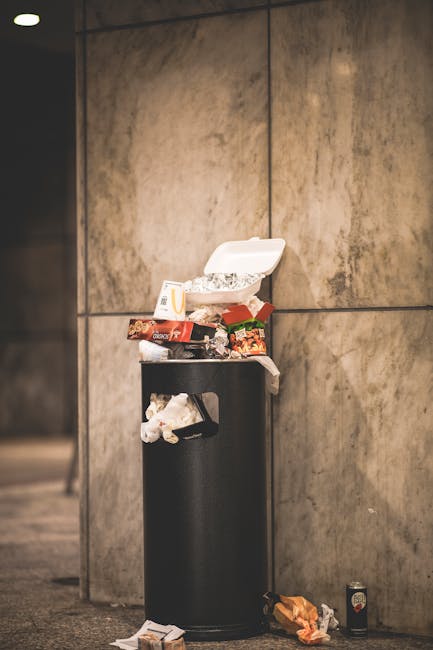
Westminster council rules for Knightsbridge rubbish disposal
If you live, work, or manage property in Knightsbridge, rubbish disposal is not just a matter of putting bags out and hoping for the best. Westminster council rules for Knightsbridge rubbish disposal shape what can be set out, when it can be collected, and how bulky or awkward waste should be handled. Miss the mark, and you may end up with missed collections, complaints from neighbours, or worse, a very avoidable enforcement issue.
The good news? Once you understand the basics, it becomes much simpler. In this guide, we'll walk through the practical side of rubbish disposal in Knightsbridge: how council expectations usually work, what residents and businesses need to watch for, which waste streams need special care, and how to stay compliant without making the process more complicated than it needs to be. Let's face it, nobody wants a hallway full of broken furniture or builders' rubble sitting around any longer than necessary.
Table of Contents
- Why Westminster council rules for Knightsbridge rubbish disposal matters
- How Westminster council rules for Knightsbridge rubbish disposal works
- Key benefits and practical advantages
- Who this is for and when it makes sense
- Step-by-step guidance
- Expert tips for better results
- Common mistakes to avoid
- Tools, resources and recommendations
- Law, compliance, standards, or best practice
- Options, methods, or comparison table
- Case study or real-world example
- Practical checklist
- Conclusion
- Frequently asked questions
Why Westminster council rules for Knightsbridge rubbish disposal Matters
Knightsbridge is a dense, high-footfall part of central London. There are flats above shops, mansion blocks, mews properties, offices, hospitality venues, and a steady stream of deliveries, refurbishments, and day-to-day waste. That mix makes rubbish control more than a tidy-up task. It affects pavements, access routes, neighbours, cleaning standards, and how smoothly buildings run.
Westminster council rules exist to keep waste safe, contained, and collected in a way that does not create nuisance or hazard. If rubbish is left in the wrong place, set out too early, or presented badly, it can create problems very quickly. In a place like Knightsbridge, those problems are often visible within minutes, not days. A single overfilled bag can attract attention, and a pile of mixed waste outside a building can become a real headache for residents and managing agents.
There is also a reputational side. For landlords, concierges, office managers, and businesses, poor rubbish handling sends the wrong message. You notice it immediately when a bin store smells, a corridor has cardboard stacked up, or builders have left plasterboard and rubble by the kerb. People judge places fast. Waste is one of those things that quietly shapes that judgement.
Key takeaway: council rules are not only about enforcement. They are about keeping Knightsbridge safe, presentable, and manageable in a busy London environment.
How Westminster council rules for Knightsbridge rubbish disposal Works
In practical terms, rubbish disposal usually falls into a few categories: household waste, recycling, bulky items, garden waste, commercial waste, and trade or construction waste. Each one has its own expectations. The exact collection process can vary depending on the property type, bin arrangements, and waste contractor involved, so it is worth checking the current Westminster guidance for your address rather than relying on memory from last year.
Most residents will be working with a routine collection system, a shared bin store, or a managed collection point. Businesses and larger buildings often need more structured arrangements, especially where waste is produced daily or in larger volumes. For example, a small office in Knightsbridge may generate more cardboard and food packaging than a flat does, while a townhouse renovation can produce a surprising amount of mixed debris in just one afternoon.
There are also items that need special handling. Electricals, fridges, mattresses, large furniture, paint, solvents, and builders' waste should not be treated like normal black-bag rubbish. Some items can be collected separately; others may require a licensed waste carrier or a dedicated clearance service. If you are unsure, that hesitation is a sign to pause rather than gamble.
For bigger clearances, services such as house clearance, flat clearance, or office clearance are often the cleaner route because they reduce the chance of missed sorting, overfilled bins, or items being left in the wrong place. And if you need a broader solution beyond one-off items, waste removal can be the most straightforward way to keep everything moving.
What usually affects the process
- Property type: flat, maisonette, house, retail unit, office, or managed building.
- Waste volume: one bag is very different from several rooms' worth of clearance.
- Waste type: general rubbish, recyclable material, bulky items, or hazardous waste.
- Access: lift access, narrow stairwells, loading restrictions, and parking considerations.
- Timing: collection windows, peak traffic, and building rules for placing waste out.
It sounds simple on paper. In real life, access is often the thing that changes everything. A second-floor flat with a tight stairwell and no lift can take longer than expected, while a basement office with shared frontage can make kerbside placement tricky. That is where planning pays off.
Key Benefits and Practical Advantages
Following the rules properly is not just about avoiding trouble. It makes the whole disposal process smoother and less stressful. In Knightsbridge, where space is limited and schedules are often tight, that matters a lot.
- Cleaner communal areas: waste does not linger in hallways, front gardens, or bin stores.
- Lower risk of contamination: recyclable materials stay usable instead of being mixed with general rubbish.
- Fewer complaints: neighbours, tenants, and building staff are less likely to raise issues.
- Better compliance: you reduce the chance of fines, rejected collections, or disputes over responsibility.
- More efficient removals: when waste is sorted and presented well, collection is faster and less disruptive.
There is also a practical advantage for anyone managing a property or business: better waste habits save time. If the team knows where items go, what can be recycled, and what must be booked separately, there is less back-and-forth. Fewer surprises. Less last-minute panic.
And honestly, nobody enjoys discovering on a Thursday evening that the old sofa cannot go out with the rest of the rubbish. A little planning avoids that awkward little scene by the lift lobby.
Who This Is For and When It Makes Sense
This topic matters to a wide mix of people in Knightsbridge. Some are dealing with a one-off clear-out; others need an ongoing system that keeps pace with daily waste. Here's where the rules tend to matter most.
Homeowners and tenants
If you are clearing out a flat, replacing furniture, or dealing with moving day waste, you need to know what can be disposed of normally and what needs separate handling. This is especially true in apartment buildings, where shared bins fill quickly and bulky items can block access.
Landlords and letting agents
End-of-tenancy clearances often reveal mixed waste, abandoned furniture, and items that nobody quite wants to claim. It is usually faster to arrange proper clearance than to leave everything to a vague "we'll sort it later" plan. Truth be told, later often becomes never.
Businesses and office managers
Offices generate packaging, paper, broken equipment, chairs, and refurbishment debris. A structured waste plan matters because it keeps workspaces usable and avoids clutter creeping into client-facing areas.
Developers and contractors
Builders' waste needs special attention because it is often heavy, messy, and awkward. Brick fragments, plasterboard, timber, tiles, and mixed rubble should not be left to regular domestic bins. For this kind of work, a dedicated service such as builders' waste clearance is usually the more practical option.
Residents clearing specific spaces
It also makes sense if you are tackling a loft, garage, or garden. These spaces are common dumping grounds for old boxes, broken tools, sports gear, plant waste, and furniture no one has used for years. If that sounds familiar, you are not alone.
A lot of people wait until the mess becomes annoying enough to act. Fair enough. But once you start, it is usually easier than you expected.
Step-by-Step Guidance
If you want to stay on the right side of Westminster council rules and avoid unnecessary hassle, work through disposal in a sensible sequence. This is the sort of method that keeps things calm, which is no bad thing in central London.
- Identify the waste type. Separate general rubbish, recycling, bulky items, electricals, and anything potentially hazardous.
- Check the property rules. Many buildings in Knightsbridge have their own bin-store or concierge instructions, and those matter.
- Reduce what you can. Break down cardboard, empty containers where safe, and remove reusable items before disposal.
- Choose the right disposal route. Use council collections for suitable domestic waste, and specialist clearance for items that need extra handling.
- Plan access and timing. Think about lifts, parking, loading bays, neighbours, and whether waste can be collected discreetly.
- Keep waste contained. Use bags, boxes, or protective wrapping so loose debris does not spill into shared areas.
- Document the service if needed. Businesses and landlords often need records, especially if a licensed carrier is involved.
A useful rule of thumb: if an item is heavy, sharp, wet, electrical, or too large for normal storage, it probably needs its own plan. It is better to spend ten minutes deciding now than an hour fixing a problem later.
Mini example
Imagine a Knightsbridge flat refurbishment where the old wardrobe, carpet offcuts, and packaging all need to go. If the team leaves everything in one mixed pile in the corridor, it can create access issues and complaints fast. If the waste is split, bagged, and removed in stages, the whole job looks tidier and runs more smoothly. Same project, very different experience.
Expert Tips for Better Results
There are a few habits that consistently make rubbish disposal easier in Westminster. None of them are flashy, but they work.
- Sort before you move: if you are clearing a room, separate waste at source rather than at the front door.
- Use the right containers: strong bags, boxes, and covers reduce leaks and mess.
- Don't overload bags: overpacked waste is awkward to lift and more likely to split.
- Think about noise: in shared buildings, dragging items through hallways early in the morning can upset people more than the rubbish itself.
- Keep a small staging area: a tidy, temporary collection point is much easier to manage than waste spread across several rooms.
- Check bulky item timing: some clearances are easier when booked away from peak traffic or building concierge changes.
One small but important tip: label mixed items if several people are involved. A simple "recycling", "general", or "keep" note can save confusion. It sounds almost too basic, but it saves time. Every time.
If you are planning a larger project, it can also help to look at related services such as furniture disposal or recycling and sustainability so reusable and recyclable items are handled properly rather than dumped into general waste by default.
Common Mistakes to Avoid
Most rubbish disposal mistakes are boring, ordinary, and totally avoidable. That is what makes them so frustrating.
- Putting out waste too early: this can create obstruction and attract complaints.
- Mixing unsuitable items: one wrong item can spoil an otherwise compliant load.
- Ignoring building rules: shared properties often have stricter internal procedures than people expect.
- Using the wrong carrier: if a job needs a proper clearance, a casual arrangement can create responsibility issues.
- Leaving waste in communal spaces: lifts, stairwells, and lobbies are not holding areas.
- Forgetting heavy or specialist waste: construction debris, old appliances, and certain garden waste need the right route.
Another common mistake is assuming "it'll be fine for a day or two." In busy parts of Knightsbridge, that kind of delay has a habit of becoming visible to everyone very quickly. A bag by the bins today can be the thing people are talking about by lunchtime tomorrow.
Tools, Resources and Recommendations
You do not need a huge toolkit to manage rubbish properly, but a few simple items make a real difference. This is especially helpful if you are sorting a flat, a family home, or a business unit with mixed waste.
- Heavy-duty bags: for general waste that may be bulky or awkward.
- Boxes and crates: useful for small items, paperwork, and items that need separation.
- Labels or markers: keep recycling and general waste clearly identified.
- Gloves and basic protective wear: sensible for sharp edges, dust, and old storage items.
- Trolley or sack truck: invaluable for moving heavier items through corridors or loading areas.
- Photo record: helpful for landlords, agents, and office managers documenting what was cleared.
For larger domestic jobs, a service like home clearance or garage clearance can be far more efficient than repeated small trips to a disposal point. For commercial settings, business waste removal can help keep operations tidy and predictable.
Practical recommendation: if you are in any doubt about a waste stream, set it aside and ask before mixing it with everything else. That one pause can save a lot of trouble.
Law, Compliance, Standards, or Best Practice
Waste disposal in London is shaped by local authority rules, UK waste obligations, and the general expectation that waste should be stored, carried, and transferred responsibly. Without getting overly technical, the main principle is simple: waste should be handled by the right route, kept safe, and not left to create a nuisance or risk.
For households, that usually means following collection instructions carefully, using the correct bins, and presenting waste at the right time. For businesses and landlords, the standards are higher. You are generally expected to show that waste has been managed responsibly, especially if a contractor is involved. That often means choosing reputable services, avoiding unlicensed collection, and keeping records where appropriate.
Best practice also means separating recyclable material where possible, reducing contamination, and not treating everyone else's shared space like a spare holding pen. Common sense, really, but worth saying out loud.
If waste is hazardous, sharp, wet, or potentially harmful, do not improvise. Use the right process and seek specialist support where needed. The risk is not just regulatory. It is practical and immediate: spills, injuries, odours, damage, and neighbour complaints can all follow fast.
For peace of mind, many people also review a provider's operational standards before booking. Pages such as health and safety policy, insurance and safety, and terms and conditions help you understand how a company approaches risk, responsibility, and service expectations.
Options, Methods, or Comparison Table
There is no single disposal method that suits every situation. The right choice depends on volume, item type, urgency, access, and whether you are dealing with a home, office, or building project. Here is a simple comparison to help you decide.
| Method | Best for | Strengths | Limitations |
|---|---|---|---|
| Routine council collection | Standard household rubbish and recycling | Familiar, practical, often cost-effective | Limited to eligible waste types and collection schedules |
| Bulky item disposal | Sofas, mattresses, old cabinets, large single items | Good for one-off larger pieces | May require booking and careful preparation |
| Specialist waste removal | Mixed waste, awkward loads, larger clearances | Flexible and efficient for complex jobs | Needs the right provider and clear instructions |
| Builders' waste clearance | Renovation debris, rubble, timber, plasterboard | Designed for construction-related waste | Not suitable for all household rubbish |
| Furniture or room clearance | End-of-tenancy, refurb, downsizing, decluttering | Removes multiple items in one go | Needs good access and a clear list of items |
For many Knightsbridge properties, the mixed approach works best. Regular waste goes through the usual route, while bulky or specialist items are cleared separately. That keeps the building tidy without forcing everything into one awkward system.
Case Study or Real-World Example
A typical Knightsbridge scenario goes something like this. A tenant moves out of a two-bedroom flat above a mews property, leaving behind broken shelving, a worn armchair, bags of mixed household waste, and a few boxes of old paperwork. The managing agent wants the place turned around quickly, but the building has narrow access and shared bins that are already tight on space.
Instead of trying to force everything into the communal bin area, the team separates the items: paperwork for secure disposal, furniture for clearance, and the remainder for normal waste handling. The furniture goes through a furniture clearance service, the smaller waste is bagged properly, and the access route is kept clear throughout. The result is simple: less clutter, fewer complaints, and a faster handover.
That is the real point. Proper disposal is not about being perfect; it is about avoiding the kind of small issues that become big ones when a building is busy and time is tight. In a place like Knightsbridge, a tidy process is often the difference between smooth and stressful.
Practical Checklist
Use this quick checklist before you put anything out or book a collection:
- Have I identified the exact type of waste?
- Is anything bulky, sharp, wet, electrical, or potentially hazardous?
- Does my building have its own disposal or collection rules?
- Have I sorted recyclable items separately?
- Is the waste safely bagged, boxed, or wrapped?
- Do I know where it can be placed without blocking access?
- Have I checked the collection timing or booking window?
- Do I need a specialist service for furniture, builders' waste, or business waste?
- Have I kept any records or photos I might need?
- Is there a cleaner, simpler option that avoids a second round of disposal later?
Expert summary: In Knightsbridge, the safest approach is usually the neatest one. Separate waste early, protect shared spaces, and use the right disposal route for the job. That combination saves time, reduces friction, and keeps everyone happier.
If you are still weighing up the best route, it can help to compare costs and service levels before you commit. Have a look at pricing and quotes if you want a clearer sense of what different types of clearance may involve.
Get a free quote today and see how much you can save.
Conclusion
Westminster council rules for Knightsbridge rubbish disposal are really about one thing: keeping waste controlled in a busy, high-value, high-traffic part of London where small messes can cause disproportionate problems. Once you understand the type of waste, the building's own rules, and the right disposal route, the process becomes much more manageable.
Whether you are clearing a flat, managing an office, handling a refurbishment, or just dealing with a stubborn pile of unwanted items, a calm and organised approach will always beat improvisation. Sort it properly, move it safely, and choose the right service for the job. Simple as that, even if the actual rubbish pile is a bit less simple.
And if there is one thing worth remembering, it is this: in Knightsbridge, neatness is not just nice to have. It is part of good property care. A small bit of order goes a long way.
Frequently Asked Questions
What are the main Westminster council rules for Knightsbridge rubbish disposal?
They generally relate to putting waste out correctly, using the right bins or collection routes, keeping shared spaces clear, and handling bulky or specialist items separately. The exact details depend on your property type and waste stream.
Can I leave rubbish in a hallway or communal area overnight?
Usually, no. In shared buildings, waste should not be left where it blocks access or creates nuisance. It is better to keep it contained until the correct collection time or arranged removal.
Do bulky items need a separate disposal method?
Yes, often they do. Sofas, mattresses, cabinets, and similar items usually need special handling or a dedicated bulky-item collection rather than standard bin disposal.
What should I do with builders' waste in Knightsbridge?
Builders' waste should be handled through the proper route, not mixed into normal household rubbish. A specialist builders' waste clearance service is often the safest and simplest option.
How do I dispose of furniture without causing problems for neighbours?
Plan the removal carefully, keep routes clear, and avoid leaving items in shared spaces. If the furniture is large or awkward, a dedicated service such as furniture disposal can make the process much smoother.
Is waste removal different for businesses in Knightsbridge?
Yes. Businesses usually need more structured waste handling because of higher volumes, different waste types, and the need to keep workplaces presentable and safe. Business waste removal is often the right fit.
What if I am clearing a whole flat or house?
For a full property clear-out, it is usually better to use a dedicated clearance service rather than trying to manage it piecemeal. Flat clearance and house clearance are designed for that kind of job.
How can I reduce the amount of waste before disposal?
Separate reusable items, flatten cardboard, recycle where possible, and avoid mixing materials unnecessarily. A little sorting at the start usually saves a lot of time later.
Do I need to keep records when using a waste contractor?
For businesses and landlords, keeping records is a sensible best practice, especially if you want a clear trail of what was removed and by whom. It helps with accountability and day-to-day management.
What is the best option if I have mixed waste and limited access?
That is usually where a tailored waste removal service helps most. Mixed waste and awkward access can make standard disposal awkward, so a more flexible clearance approach is often better.
Where can I learn more about the company's standards?
You can review pages such as about us, recycling and sustainability, and insurance and safety to understand how service quality and responsible handling are approached.
What should I do if I am unsure whether an item is allowed in normal rubbish?
Do not guess. Set it aside and treat it as a separate item until you know the correct route. That small pause can prevent contamination, collection refusal, or a mess in the wrong place.
When rubbish disposal is handled well, everything feels easier. The building stays calmer, the space stays smarter, and you get to move on with your day without thinking about bins at all. Which, to be fair, is exactly how it should be.