Optimizing Operations for Waste Reduction in Manufacturing
The manufacturing industry plays a crucial role in producing the goods and products that support our economy. However, as the demand for these products increases, so does the challenge of managing and reducing waste. Optimizing operations for waste reduction is a pressing issue that manufacturers need to tackle to boost efficiency, sustainability, and profitability.
Understanding Manufacturing Waste
Before diving into solutions, it's important to understand the types of waste that occur in manufacturing processes. Waste can broadly be categorized into several types:
- Material Waste: Unused raw materials and off-cuts.
- Time Waste: Downtime or inefficiencies during production.
- Energy Waste: Unnecessary energy consumption.
- Defective Products: Items that do not meet quality standards and require rework.
- Transportation Waste: Inefficient movement of materials and products.
Each type of waste presents unique challenges and requires tailored strategies to manage and reduce effectively.

Key Strategies for Reducing Waste in Manufacturing
1. Implement Lean Manufacturing Principles
Lean manufacturing is a systematic method aimed at minimizing waste without sacrificing productivity. It is centered around the idea of continuous improvement and involves several practices such as:
- 5S Methodology: Sort, Set in order, Shine, Standardize, and Sustain.
- Just-In-Time (JIT): Producing only what is needed, when it is needed.
- Kaizen: Continual small improvements involving everyone in the organization.
Implementing these practices can significantly reduce excess inventory, improve workflow, and enhance overall efficiency, thereby reducing waste.
2. Embrace Technology and Automation
Technological advancements and automation have immense potential to revolutionize waste management in manufacturing. Consider adopting technologies like:
- AI and Machine Learning: Optimize production schedules, predict maintenance needs, and reduce downtime.
- IoT Devices: Monitor machine performance and energy usage in real-time.
- Robotics: Enhance precision and reduce material waste in repetitive tasks.
By leveraging these technologies, manufacturers can achieve higher accuracy in production and better resource management.
3. Optimize Supply Chain Management
An efficient supply chain can greatly contribute to reducing waste. Consider adopting strategies such as:
- Vendor Managed Inventory (VMI): Suppliers manage inventory levels, reducing excess stock.
- Collaborative Planning, Forecasting, and Replenishment (CPFR): Improve accuracy in demand forecasts.
- Sustainable Sourcing: Select suppliers with sustainable practices.
Ensuring entire supply chains are optimized not only reduces waste but also fosters better supplier relationships.
4. Enhance Quality Control Systems
Defective products are a significant source of waste in manufacturing. Enhancing quality control systems ensures that products are made right the first time. Strategies to improve quality include:
- Statistical Process Control (SPC): Monitor process performance and quality.
- Regular Equipment Maintenance: Prevent mechanical failures that cause defects.
- Employee Training: Equip staff with skills to maintain high-quality standards.
Investing in quality assurance measures reduces defective outputs and waste significantly.
5. Adopt Environmentally Friendly Practices
Sustainability is no longer a niche concern--it's a business imperative. Key practices include:
- Recycling Programs: Maximize the reuse of materials.
- Energy-Efficient Equipment: Use machinery that consumes less power.
- Waste-to-Energy Technologies: Convert waste into usable energy.
These practices not only minimize waste but also enhance the company's reputation and contribute to environmental preservation.
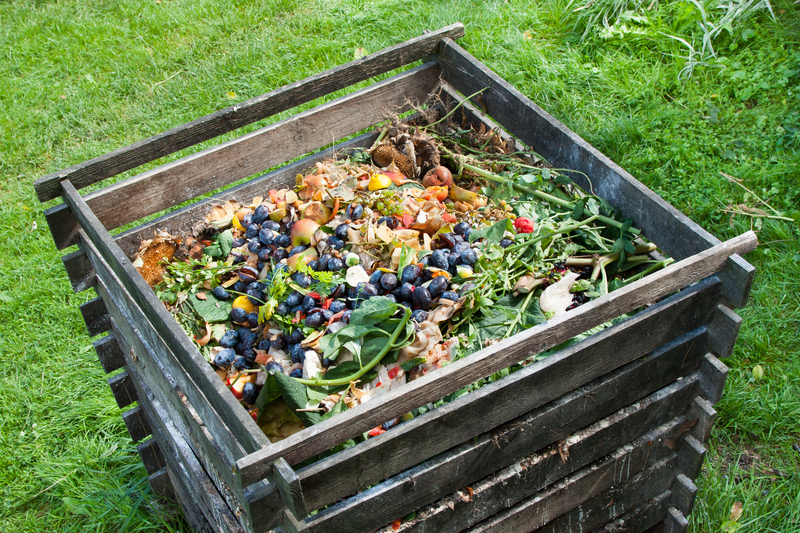
Benefits of Waste Reduction in Manufacturing
Optimizing manufacturing operations to reduce waste yields several benefits:
- Cost Savings: Reduced waste leads to lower disposal costs and improved resource utilization.
- Increased Efficiency: Streamlined operations and processes enhance productivity.
- Improved Product Quality: Fewer defects contribute to customer satisfaction.
- Regulatory Compliance: Adhering to environmental regulations avoids penalties.
- Enhanced Brand Reputation: Companies are perceived as responsible and environmentally conscious.
Conclusion
The optimization of manufacturing operations for waste reduction is not just about cutting costs; it is about enhancing efficiency, sustainability, and competitiveness in the market. By adopting lean principles, embracing technological innovation, improving supply chain and quality control, and committing to sustainable practices, manufacturers can achieve significant reductions in waste. The journey towards a waste-free manufacturing process is challenging but ultimately rewarding, leading to a healthier environment and a more robust industry.
As manufacturing continues to evolve, staying informed of the latest techniques and technologies for waste reduction will be imperative for business success and environmental responsibility.