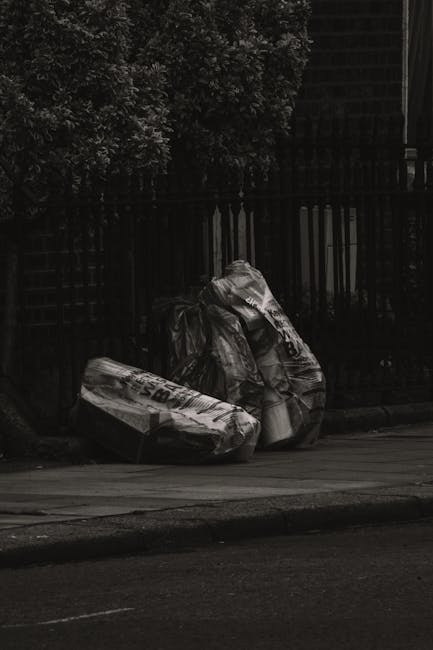
Delays in Knightsbridge rubbish pickup and quick remedies

If your rubbish has been left outside in Knightsbridge and the collection keeps slipping, you know how quickly a small delay turns into a proper nuisance. Bags start to smell, pavement space disappears, neighbours notice, and the whole thing feels more urgent by the hour. Delays in Knightsbridge rubbish pickup and quick remedies is not just a timing problem; it is about preventing clutter from becoming a health, access, or reputation issue. In this guide, we'll break down why delays happen, what quick remedies actually work, and how to keep waste moving without the faff.
Whether you manage a flat, a house, a business, or a one-off clear-out, the goal is the same: get the rubbish gone safely, quickly, and with as little disruption as possible. That's the practical bit. The calmer bit? Most delays are fixable once you know where the bottleneck is.
Why Delays in Knightsbridge rubbish pickup and quick remedies Matters
In Knightsbridge, delayed rubbish pickup is more than an inconvenience. Space is tight, access can be awkward, and one missed collection can affect a whole street, especially where bins, bags, or bulky items end up on narrow pavements. If waste sits too long, it can block entrances, attract pests, create odours, and make a tidy building look neglected. That is awkward at home, and frankly bad news for businesses that rely on a polished first impression.
There is also a practical safety angle. Loose waste can spill, sharp edges can injure someone, and wet cardboard or food waste can turn a simple placement issue into a slip hazard. Let's face it, no one wants to step around old packaging at the end of a long day. Quick remedies matter because they reduce the knock-on effect. The sooner the blockage is identified, the less you spend fixing it later.
For people arranging a one-off collection, delays can also disrupt moving plans, refurbishments, tenant handovers, or office resets. A rubbish pile that should have gone by lunch can hang around until evening, and by then the day has become more complicated than it needed to be. If you want to keep momentum, it helps to understand the usual causes and the fastest ways around them.
How Delays in Knightsbridge rubbish pickup and quick remedies Works
Pickup delays usually happen for a few predictable reasons. The collection may be blocked by access problems, the waste may not be placed out correctly, the load may be larger than expected, or the crew may be dealing with traffic, parking restrictions, or a timing clash. In a busy part of London, even a small delay can snowball when vehicle access is tight. A van that cannot stop safely for long? That can be enough to push a collection into the next slot.
Quick remedies work best when they match the cause. If the issue is access, clear the route. If the waste type was misclassified, separate it properly. If the load is simply too much for the original booking, split it into stages or arrange a larger collection. If the team cannot take the waste because of contamination, remove the incorrect items and re-present the pile in a cleaner format. Simple, but not always obvious in the moment.
In our experience, the fastest recoveries happen when the person organising the collection acts early, keeps the load visible and well described, and stays flexible. Nobody enjoys changing plans on the fly, but a five-minute fix now can save a whole day later.
It also helps to know that a rubbish pickup is not just a matter of "turn up and take it away." Waste has to be sorted, loaded, moved, and disposed of in a way that fits transport rules, site access, and safety expectations. Once you see it that way, the delay is easier to diagnose.
Key Benefits and Practical Advantages
Acting quickly on collection delays brings a few real benefits, and they are not just cosmetic. The first is obvious: less mess. The second is more important than people think: less stress. A cluttered entrance or a blocked hallway has a habit of irritating everyone involved, especially when it sits there all afternoon, quietly getting worse.
Here are the main advantages of dealing with delays properly and promptly:
- Cleaner premises: waste is removed before odours, pests, or wind-blown litter become an issue.
- Better access: pathways, shared entrances, loading areas, and kerbside space stay usable.
- Fewer complaints: neighbours, tenants, staff, and visitors are less likely to raise concerns.
- Lower risk: fewer trip hazards, less blocked access, and reduced handling of waste by untrained people.
- More reliable scheduling: once the delay is resolved, the rest of your day can actually move on.
There is another upside that gets overlooked: better decision-making. When rubbish pickup is organised well, you can tell whether you need a quick general collection or a fuller clearance service. That distinction matters if you are clearing a flat, a loft, an office, or a garden. If the problem keeps recurring, it may be time to look at a broader solution such as waste removal or a more specific clearance route like house clearance.
Who This Is For and When It Makes Sense
This topic is relevant to a lot of people, not just landlords and facilities teams. Homeowners dealing with a missed domestic collection, tenants trying to clear a place before handover, and office managers sorting old desks and packaging all face the same headache: waste that should have gone, but hasn't.
It also matters if you are in the middle of a larger project. Builders, property managers, letting agents, shop owners, and residents in flats often need a quicker reset than a normal pickup schedule allows. A delayed collection on a construction site, for example, can slow the next trade, which is never popular. If that sounds familiar, a more targeted service such as builders waste clearance may be the more useful route.
Some situations make quick remedies especially sensible:
- you have rubbish left out after a missed collection window
- you need access cleared before guests, deliveries, or tenants arrive
- you manage shared bins that are overflowing or badly sorted
- you are replacing furniture or clearing bulky items
- you need a one-off reset before or after a move
If it is business premises, the concern is often reputational as much as practical. A messy rear yard or front entrance gives off the wrong signal, even if the problem started with one delayed pickup and not a chronic waste issue. A quick remedy here can genuinely protect how the place feels to customers and staff.
Step-by-Step Guidance
If you are dealing with a delay right now, keep the response simple. You do not need a complicated plan. You need a fast one that works.
- Check what was supposed to be collected. Make sure the waste type, volume, and pickup time match what was arranged.
- Look at access. Is the collection point blocked by cars, locked gates, scaffolding, wheelie bins, or delivery vehicles?
- Inspect the pile. Separate anything that should not be mixed in, such as liquids, sharp objects, or items that were added after the original booking.
- Take photos. This sounds minor, but photos help explain the issue clearly if you need to reschedule or escalate.
- Contact the provider promptly. Be specific. Say what was left, where it is, and what changed since the booking.
- Choose the quickest workable remedy. That might mean rebooking, splitting the load, moving the waste to a more accessible point, or switching to a different service.
- Secure the area. If bags or loose items may spread, tie them down, cover them, or move them indoors if that is safe.
- Confirm the next collection window. Do not assume the delay is resolved until you have a clear plan and a realistic time slot.
A useful rule of thumb: if the waste is already causing friction, treat it like a live issue, not a background task. The faster you act, the less likely the delay becomes a recurring problem. And yes, a couple of minutes of sorting can save a surprisingly annoying afternoon.
If the waste is mainly furniture or large household items, it may be worth considering a dedicated route such as furniture clearance or furniture disposal. That tends to be cleaner and less chaotic than trying to squeeze bulky items into a general bin solution.
Expert Tips for Better Results
Over time, the best results usually come from boring habits done well. Not glamorous, but effective. Here are a few that make a real difference:
- Keep waste grouped by type. Mixed piles are slower to assess and more likely to be rejected or delayed.
- Leave a clear loading path. A clear route from the waste point to the vehicle saves time and reduces handling issues.
- Use a realistic booking window. In Knightsbridge, traffic and parking can make ultra-tight scheduling a bit optimistic, to be fair.
- Tell the full story up front. If there are stairs, no lift, limited access, or fragile surfaces, mention it early.
- Plan for the odd surprise. Half-cleared lofts, forgotten box files, and "just one more bag" situations happen all the time.
Another smart move is to think ahead about what happens after the collection. If you are dealing with a property clearance, a garage clear-out, or a loft sweep, the final pile often shrinks when you are given a proper sorting plan. Services like loft clearance, garage clearance, and home clearance can be a better fit than one-off improvised disposal when the volume is larger than expected.
Small note from real life: if a collection is delayed once, it is worth asking why. Not in a combative way. Just enough to learn whether the problem was access, timing, loading, or the waste itself. That one answer often prevents the same delay next time.
Common Mistakes to Avoid
When rubbish pickup is late, people often react quickly but not always usefully. I get it. You want the area clear now. Still, a few common mistakes make the delay worse.
- Adding more waste to the pile. That can make the collection harder, not easier.
- Leaving bags open or leaking. It creates hygiene issues and may lead to refusal.
- Blocking the access route. Even a small obstruction can be enough to stop loading safely.
- Assuming the problem will self-correct. Spoiler: it usually does not.
- Mixing bulky items with general rubbish. That often leads to a slower, messier pickup.
- Waiting too long to reschedule. By the time you call, the next available slot may be less convenient.
For businesses, one more mistake stands out: treating waste as a background admin job. It is not, really. If rubbish affects customer-facing space, the loading bay, or staff access, it becomes an operational issue. That is where a dedicated arrangement such as business waste removal can save you from repeated headaches.
Also, avoid the temptation to quietly dump extra material into someone else's scheduled collection if it was not agreed. It sounds obvious, but people do it. Then everybody spends longer untangling the load than they would have spent sorting it properly in the first place.
Tools, Resources and Recommendations
You do not need fancy equipment to fix most rubbish pickup delays. A few basic tools and habits go a long way:
- strong refuse sacks or tied bags for loose waste
- a marker pen for labelling mixed items or room contents
- gloves and sturdy footwear for safe handling
- phone photos to show volume and access conditions
- a tape measure if you are unsure whether bulky items will fit through doorways
- a simple notes app list of what has to go, what stays, and what needs special handling
If your delay is happening around a larger clear-out, choosing the right service can stop the problem recurring. For example, a home that needs a full reset may work better with house clearance. A workplace, on the other hand, may need office clearance to handle furniture, files, and mixed office waste in one controlled visit.
For people who care about what happens after collection, recycling and sustainability is worth reading alongside any disposal plan. Not every item can be reused, of course, but a sensible separation process usually helps reduce what ends up as general waste.
If you want a cleaner estimate before booking, the page on pricing and quotes is a sensible place to start, and it keeps expectations clearer. That matters. Nobody enjoys mystery pricing, especially when time is already tight.
Law, Compliance, Standards, or Best Practice
Waste handling in the UK is not something to be casual about. You do not need to memorise every rule to stay on the right side of best practice, but you should know the broad expectations. Waste should be managed safely, kept contained, and handed to a responsible operator who can move it appropriately. If the waste contains sharp, heavy, dusty, wet, or potentially hazardous items, extra care is needed.
For householders, the practical point is simple: do not leave waste where it creates a hazard or blocks access for others. For businesses, the bar is higher because waste can affect staff safety, customer experience, and site management. If there is any doubt about handling, storage, or collection readiness, it is better to pause and tidy the load than to push ahead and create a mess.
Best practice also includes accurate descriptions. Say what the waste is, how much there is, where it is located, and whether the property has stairs, limited parking, or restricted entry. That information is not trivia. It is what helps reduce missed slots and awkward last-minute surprises.
There are also internal standards that help build trust. Clear terms, safe handling practices, transparent payment methods, and a fair route for raising concerns all matter. If you want to understand how a provider handles complaints, safety, and security, pages such as complaints procedure, insurance and safety, and payment and security are useful reference points.
If you are dealing with building-related waste, keep the site tidy and separated. If the issue is domestic but large-scale, look for a service designed for the job rather than trying to force a small-bin solution into a big-clearance problem. Bit obvious, maybe. But it saves trouble.
Options, Methods, or Comparison Table
When a rubbish pickup is delayed, you usually have a few ways forward. The best option depends on the waste type, the urgency, and how much access you have. Here is a practical comparison.
| Option | Best for | Typical strengths | Possible drawbacks |
|---|---|---|---|
| Wait for the next collection slot | Small delays with no safety issue | Simple, low effort | May prolong odour, clutter, or access problems |
| Resort and rebook the same pickup | Missed timing or access issues | Fastest way to recover if the provider can return | Still depends on availability |
| Use a targeted clearance service | Bulky, mixed, or larger loads | More suitable for complex waste | Requires more upfront coordination |
| Split the waste into smaller loads | Overfilled piles or awkward access | Often easier to move and book | Can take longer overall |
| Improve access and re-present the waste | Blocked entrances, narrow routes, parked cars | Can solve the issue quickly | Needs on-site effort and a bit of coordination |
As a rule, if the waste is simple and the delay is small, rebooking or improving access is enough. If the waste is mixed, bulky, or recurring, a more specialist clearance is usually the smarter move. That is where matching the method to the problem saves time.
Case Study or Real-World Example
A typical situation goes like this. A flat in Knightsbridge has a pile of household rubbish, a couple of broken chairs, and a few bags that were meant to go out for collection on a Friday morning. The building has limited roadside access, a delivery bay that fills quickly, and a narrow internal route from the basement store. By late morning, nothing has moved. The bags are still there. The smell is starting to drift a bit. Not dramatic, just enough to be irritating.
The first fix was simple: check whether the waste had been left where the collection team could safely reach it. It had not. So the waste was moved to a clearer loading point, the bulky chairs were separated from the bags, and the pile was photographed again. The collection was then rescheduled with better instructions, including the access details that mattered but had not been mentioned first time around.
The result was not magical. It was just organised. The waste went, the entrance was cleared, and the residents stopped having to side-step the same pile every time they came in. The key lesson? Most delays are not mysteries. They are communication or access problems dressed up as logistics.
If the pile had included more furniture than expected, a route such as furniture disposal would probably have been the cleaner choice from the start. If it had been part of a bigger move-out, then a combined service like flat clearance could have prevented the delay entirely.
Practical Checklist
Use this quick checklist when a rubbish pickup is delayed in Knightsbridge:
- Confirm the scheduled date, time, and waste type.
- Check whether anything blocked access to the collection point.
- Separate mixed waste into clearer groups if needed.
- Remove anything that should not have been added to the pile.
- Take photos so you can explain the situation clearly.
- Contact the provider with a short, specific update.
- Ask for the quickest realistic next step.
- Protect the area from spill, smell, or trip hazards.
- Consider whether a specialist clearance is better for the volume or waste type.
- Keep a note of what caused the delay so it does not happen again.
That checklist sounds almost too simple, but simple is exactly what helps when you are under time pressure. Most of the job is making the problem smaller before it becomes everyone's problem.
Get a free quote today and see how much you can save.
Conclusion
Delays in Knightsbridge rubbish pickup and quick remedies come down to one thing: reducing friction before it spreads. The moment you spot a delay, think about access, volume, sorting, and timing. Fix the right issue, not the nearest one. That small shift can save a lot of hassle.
For some people, a simple reschedule is enough. For others, the better answer is a clearer waste plan, a targeted clearance service, or a more structured approach to bulky items and mixed loads. Either way, the goal is the same: keep the property safe, tidy, and workable. And that really does make life easier, even on a messy day.
If you are weighing up the next step, it may help to review the service pages most relevant to your situation, then choose the one that fits the waste rather than forcing the waste to fit the plan. That's usually the smoother route. One calm decision now tends to beat three rushed ones later.
Frequently Asked Questions
Why is my rubbish pickup delayed in Knightsbridge?
The most common reasons are access problems, incorrect waste placement, overfilled loads, traffic, or scheduling conflicts. In central London, small access issues can create bigger delays than people expect.
What should I do first if the collection is late?
Check the waste type, look for access issues, take photos, and contact the provider with a clear update. A short, factual message usually gets a better response than a long frustrated one.
Can I add more rubbish to an already delayed pile?
Usually, no. Adding more waste often makes the collection harder and can create safety or loading problems. It is better to keep the pile stable until the next pickup is confirmed.
How do I stop rubbish smelling while I wait?
Keep bags sealed, remove food waste if safe to do so, and move the pile out of direct sun or rain where possible. If the waste is likely to sit longer, a faster collection or a better-suited clearance service is the cleaner fix.
Is a missed collection the same as a waste removal failure?
Not always. Sometimes the issue is simply access, volume, or a booking mismatch rather than a total failure. That said, the result for you is the same: the waste is still there, so it needs sorting quickly.
What if my waste is bulky furniture rather than bags of rubbish?
Bulky items are often better handled through a dedicated furniture or house clearance route. That usually makes the job smoother than trying to fit everything into a general pickup arrangement.
Are delays more common in flats and shared buildings?
They can be, mainly because shared access, stairs, lifts, and common areas make timing more sensitive. A small mistake in placement or scheduling can affect several households at once.
How can businesses reduce repeat collection delays?
Use clearer waste segregation, maintain easy access to the loading point, and make sure collection notes include site-specific details. For recurring waste, a regular business arrangement is often more reliable than ad hoc pickups.
What is the quickest remedy for a blocked access route?
Clear parked vehicles, move obstacles, and create a safe path to the waste. If the route is still too tight, rebook with better instructions or choose a service that suits the property layout.
Does poor sorting really cause delays?
Yes, it often does. Mixed loads take longer to assess and can be harder to remove safely. Separating waste before collection is one of the easiest ways to avoid a slow pickup.
When should I choose a full clearance instead of waiting for pickup?
If the waste is large, mixed, recurring, or affecting access, a full clearance is usually the better option. Waiting makes sense only when the delay is minor and the area is still safe and manageable.
How do I know if I need professional help rather than handling it myself?
If the waste is heavy, awkward, potentially hazardous, or more than you can safely move, professional help is sensible. It also makes sense when the delay is causing disruption that you simply do not have time to keep juggling.
Where can I find more information about service standards and terms?
Useful starting points are the provider's about us, terms and conditions, and policy pages such as health and safety policy and recycling and sustainability. They help you understand how the service is meant to work.