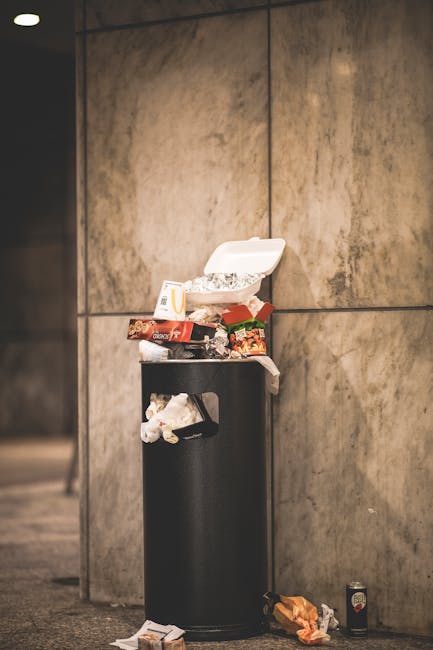
Avoid fines tips for illegal rubbish dumping in Knightsbridge
If you are dealing with unwanted waste in Knightsbridge, the stakes are higher than many people realise. A bag left beside a bin, a sofa placed on the pavement "just for a bit," or a builder's skip loaded incorrectly can all lead to complaints, enforcement action, or a fine. The good news? Avoiding trouble is straightforward once you know the rules, the risks, and the habits that keep rubbish moving the right way. This guide gives you practical, local, no-nonsense advice on how to avoid fines for illegal rubbish dumping in Knightsbridge, without drowning you in legal jargon.
Whether you are clearing a flat, emptying a home, or managing trade waste, the aim is the same: stay compliant, keep the street tidy, and dispose of waste properly the first time. Let's face it, nobody wants a messy week followed by a letter from the council. A little planning goes a long way.
Table of Contents
- Why avoiding fines matters in Knightsbridge
- How illegal rubbish dumping is handled
- Key benefits of disposing waste properly
- Who this advice is for
- Step-by-step guidance to stay compliant
- Expert tips for cleaner, safer waste removal
- Common mistakes that trigger fines
- Tools, resources and service options
- Law, compliance and best practice
- Options and comparison of disposal methods
- Real-world example
- Practical checklist
- Conclusion
- Frequently asked questions
Why Avoiding Fines Matters in Knightsbridge
Knightsbridge is a busy, high-footfall part of London where streets are closely watched, access is tight, and waste left in the wrong place stands out fast. One overflowing pile can block pedestrians, attract complaints from neighbours, and create an immediate eyesore. In an area like this, illegal dumping is not treated as a minor slip-up. It can become an enforcement issue very quickly.
There is also a practical side people sometimes forget. If waste is fly-tipped or abandoned, it can create extra costs, stress, and delays far beyond the original disposal job. A wardrobe left by a kerb may seem harmless at 8am; by lunchtime it can become a problem for everyone nearby. And if the waste can be linked back to you, even indirectly, the headache gets much bigger. Truth be told, most people do not set out to break rules. They just misjudge how strict local waste handling needs to be in central London.
Key point: the safest route is always to treat waste as something that needs a clear paper trail, a proper collection plan, and a lawful disposal method.
How Avoid fines tips for illegal rubbish dumping in Knightsbridge Works
The basic principle is simple: if waste leaves your property, you should know who is taking it, where it is going, and how it will be handled. Illegal dumping usually happens when one of those parts is missing. That might mean handing rubbish to an unlicensed collector, leaving items outside without collection arranged, or assuming "someone will deal with it" later. Unfortunately, later is often when the fine shows up.
In day-to-day terms, the process should feel orderly. Sort the waste, separate what can be reused or recycled, choose a proper disposal route, and keep records of the arrangement. If a service is collecting bulky items, builders' rubbish, or mixed waste, it should be clear what is included and what will happen after collection. If you are a homeowner, landlord, tenant, or business owner, the details matter in slightly different ways, but the principle does not change.
For example, if you are clearing a flat after a move, you might be tempted to put a few things out near the street "because the van is coming later." That tiny gap in timing is exactly where mistakes happen. A better approach is to arrange the collection for the same period you move the items, or book a service that handles the entire load in one go. A bit boring? Maybe. Effective? Absolutely.
Key Benefits and Practical Advantages
Doing waste removal properly is not only about avoiding penalties. It also makes the whole job easier, cleaner, and less stressful. People often focus on the downside of fines and forget the upside of good waste management. There really is one.
- Lower legal risk: you reduce the chance of enforcement, complaints, or being traced to dumped waste.
- Cleaner streets and entrances: important in Knightsbridge, where appearance and access matter.
- Better neighbour relations: no one enjoys dodging rubbish bags on the pavement.
- Less back-and-forth: a proper plan saves repeat trips and wasted time.
- Improved recycling outcomes: sorting items properly means more can be reused or recycled.
- Peace of mind: you know the waste has gone where it should.
If you are dealing with larger household items, it can also be helpful to read about furniture clearance and furniture disposal so you can match the method to the item rather than improvising on the day.
There is also a quieter benefit: professionalism. In a place like Knightsbridge, being tidy and organised reflects well on you, whether you are a resident, landlord, tenant, or local business. Small thing, but it counts.
Who This Is For and When It Makes Sense
This advice is useful for anyone who needs to move waste without creating a legal or practical mess. That includes a wide mix of people and situations:
- homeowners clearing a house or room
- tenants leaving a flat and dealing with leftover belongings
- landlords managing end-of-tenancy clearance
- offices disposing of old equipment, chairs, and general waste
- shop or hospitality operators with regular waste volumes
- builders and decorators with rubble, offcuts, and packaging
- garden owners with soil, branches, and outdoor waste
The biggest risk usually appears when a task is bigger than a normal bin day but smaller than a full building project. That awkward middle ground is where people get casual, and casual can be costly. If you are unsure whether the job is household waste, bulky waste, or trade waste, pause and classify it first. That one minute of thought can save a lot of trouble later.
If you are dealing with a full property clear-out, options like home clearance, flat clearance, or house clearance may be more suitable than trying to manage it piece by piece.
Step-by-Step Guidance
If you want the simplest route to avoiding fines, follow a clean, practical process. Nothing fancy. Just disciplined.
- Identify the waste type. Separate general rubbish, bulky items, garden waste, builders' waste, electrical items, and anything hazardous. Mixed piles create confusion and higher risk.
- Sort what can be reused or recycled. A table with a broken leg may still be reusable by someone else. Do not assume everything is destined for landfill.
- Choose the right disposal route. Household rubbish, office waste, and building debris should not all be treated the same way.
- Book collection or removal in advance. Do not leave waste outside "until tomorrow." That is how problems start, especially if the weather turns or the street gets busy.
- Keep proof of what was arranged. Save order details, collection notes, or invoices. If a query arises, you will be glad you did.
- Make the handover clean. Put waste in the agreed location only when the collection is due, and never on a pavement without a lawful arrangement.
- Check the final result. Make sure nothing has been left behind by accident. A stray item can still create a complaint.
For outdoor clearances, a dedicated garden clearance service can make the process cleaner and safer, particularly where branches, soil, and broken outdoor furniture are involved. For office premises, office clearance helps keep staff areas and communal spaces free from clutter and rogue dumping.
One small but important habit: take a quick photo of the waste before it goes. Not because you expect drama, but because it helps if there is any confusion later. Sensible, not paranoid.
Expert Tips for Better Results
Here is where a bit of real-world judgement makes all the difference. The paperwork matters, yes, but so does timing, access, and planning around the local environment.
- Do not overload the pavement. Knightsbridge foot traffic is constant, and even a short obstruction can become a complaint.
- Separate heavy and fragile items early. Glass, timber, and mixed debris move differently and can be damaged or dangerous if piled carelessly.
- Match the service to the waste. Builders' rubble needs a different approach from a sofa or a garage full of mixed clutter.
- Ask how the waste will be handled. Recycling, reuse, and responsible disposal should be part of the conversation, not an afterthought.
- Keep access clear. A blocked entrance slows collection and increases the chance of items being left behind.
- Check the timing with neighbours or building management. In shared buildings, good communication avoids awkward moments at the lift, or the front door, or both.
If you are dealing with debris from home improvements, builders' waste clearance is worth considering because construction waste is one of the easiest categories to get wrong. For business premises, a proper business waste removal plan is usually safer than mixing ad hoc rubbish with everyday bin use.
A tiny detail people miss: wet waste and dry waste behave very differently. Cardboard, for instance, can become useless fast if left outside in London drizzle. And yes, London drizzle has a way of turning up exactly when you do not want it to. Typical.
Common Mistakes to Avoid
Most fines and enforcement problems come from a handful of avoidable mistakes. They sound obvious once listed, but in a rush, people still make them.
- Leaving waste next to a bin for collection later. If it is not part of an agreed collection, it can be treated as dumped.
- Using the cheapest unknown collector. If waste disappears but you have no evidence of lawful removal, you have weak protection.
- Assuming one trip is enough. Half-cleared rooms often create extra piles and follow-up dumping temptations.
- Mixing unrelated waste streams. Builders' waste with household waste, or garden waste with furniture, can complicate disposal.
- Forgetting about bulky items. Chairs, mattresses, wardrobes, and cabinets are exactly the sort of things people leave "for later."
- Not checking the final area. One overlooked bag behind a hedge or wall can still cause issues.
It is also wise not to rely on a vague verbal arrangement. "He said he would sort it" is not much of a defence if the rubbish turns up somewhere it should not be. A bit harsh, but that is how it is.
Tools, Resources and Recommendations
You do not need a complicated toolkit to manage waste responsibly, but a few simple habits and resources make life easier:
- Sorting bags or containers: useful for separating recyclable and non-recyclable items.
- Labels or tape: handy when different rooms or waste types are being cleared at once.
- Camera phone: take a quick record of what is being removed and where it was collected from.
- Access notes: stairs, loading bays, narrow entrances, and lift restrictions can all affect collection.
- Service notes: write down the waste type, volume, and collection window before booking.
If you want to understand how a professional operator approaches the process, browsing the company's recycling and sustainability page can be useful. For confidence around trust and process, the insurance and safety and health and safety policy pages are also worth a look. They help you judge whether a provider is taking the basics seriously.
When comparing providers, do not get fixated on price alone. A slightly cheaper collection that creates a compliance headache is not cheaper at all. It is just delayed pain.
Law, Compliance, Standards, or Best Practice
Waste disposal in the UK is regulated, and while the exact details depend on the type of waste and who produced it, the safest rule is easy: keep waste under control from the moment it leaves your hands. In practice, that means using a legitimate disposal route, avoiding uncontrolled roadside dumping, and keeping evidence of lawful collection where appropriate.
For households, the main risk is often passing waste to the wrong person or leaving it where it should not be. For businesses, the responsibilities are usually more structured. Trade and commercial waste should be managed carefully, and records should be kept in a way that makes sense if questions arise later. This is especially relevant if you are clearing an office, shop, or workspace with mixed materials and recurring waste.
Best practice usually includes:
- using a clear booking or collection process
- separating recyclable items where practical
- avoiding pavement obstruction
- keeping invoices or collection confirmations
- matching the removal method to the waste type
- working with a provider that explains how waste is processed
If you are comparing suppliers, read the practical details, not just the headline promise. A clear pricing and quotes page can help you understand what is included, while the terms and conditions and about us pages can tell you a lot about how seriously the business handles trust, process, and accountability.
Options, Methods, or Comparison Table
Different waste situations need different approaches. Here is a simple comparison to help you choose the method that fits the job, without overcomplicating it.
| Method | Best for | Strengths | Watch-outs |
|---|---|---|---|
| DIY disposal | Small amounts of household rubbish | Low immediate cost, flexible timing | Easy to make mistakes, time-consuming, higher risk if waste is left out |
| Council-style bulky item handling | Single or limited bulky items | Simple for straightforward items | May not suit mixed waste or urgent clearances |
| Professional waste removal | Mixed waste, larger volumes, time-sensitive jobs | Faster, cleaner, less risk of accidental dumping | Needs clear booking and a reputable provider |
| Specialist clearance service | Whole rooms, flats, garages, lofts, offices, gardens | Most practical for bigger or complex jobs | May cost more than DIY, but usually saves time and stress |
For many people, the middle ground is the least efficient option. A half-DIY, half-unplanned approach often leads to items sitting around longer than they should. If you are clearing stored boxes, old furniture, or attic clutter, a dedicated loft clearance or garage clearance may be much more sensible than trying to carry it in bits over several weekends.
Case Study or Real-World Example
Imagine a Knightsbridge resident preparing a move from a top-floor flat. There are two broken dining chairs, three boxes of mixed clutter, a small desk, and a few bags of general rubbish. The first temptation is to place the items by the communal entrance in the evening and hope they are gone by morning. That feels convenient. It also creates risk.
A better approach is much more controlled. The resident sorts the items into reusable, recyclable, and general waste. The bulky pieces are grouped separately. Collection is booked for the same time slot as the move-out, so nothing sits in the shared space overnight. Photos are taken before removal. The hallway stays clear, neighbours are not inconvenienced, and there is no lingering pile outside the building. Simple, but not simplistic.
This kind of situation comes up all the time with flat clearance and broader home clearance jobs. In our experience, the difference between a smooth clearance and a stressful one is rarely the size of the waste. It is usually the planning. That, and not leaving things to "sort itself out." Which, as we all know, it never does.
Practical Checklist
Use this quick checklist before any rubbish leaves your property in Knightsbridge.
- Have I identified the waste type correctly?
- Have I separated bulky, recyclable, and general waste?
- Do I know who is collecting it?
- Is the collection time confirmed?
- Will anything be left on the pavement or in a shared area?
- Do I have proof of the booking or collection arrangement?
- Have I checked access, lifts, stairs, or loading space?
- Is the service appropriate for the waste type?
- Have I removed anything that should be handled separately?
- Have I checked the area after removal for stray items?
Useful reminder: if the waste feels awkward, oversized, or mixed, that is usually the sign to slow down and choose a better disposal route rather than a quicker-looking one.
For people managing routine waste over time, a structured approach through waste removal can be more reliable than ad hoc disposal. If you are dealing with a business setting, business waste removal deserves even more attention because the volume and compliance burden tend to be higher.
Conclusion
Avoiding fines for illegal rubbish dumping in Knightsbridge comes down to common sense, good timing, and using the right disposal method for the right waste. Keep things off the pavement unless you have an approved arrangement, separate waste properly, work with a trusted provider, and keep a record of what was removed. That is the core of it.
In a neighbourhood as busy and visible as Knightsbridge, tidy waste handling is not just about staying out of trouble. It helps protect your property, your reputation, and your peace of mind. And, honestly, it makes life easier for everyone around you.
Get a free quote today and see how much you can save.
For a little extra reassurance, review the company's contact us page if you have questions about your specific waste type, and check the complaints procedure so you know what support looks like if something is not quite right. That sort of transparency matters more than people think.
Frequently Asked Questions
What counts as illegal rubbish dumping in Knightsbridge?
Illegal dumping usually means leaving waste where it should not be left, handing it to someone who is not properly authorised, or placing items in a public area without a lawful collection arrangement. Even a small pile can become a problem if it is not being collected correctly.
Can I leave rubbish next to a bin if collection is coming soon?
It is risky to do that unless it is part of an agreed collection process. If the waste sits there unattended, it may be treated as dumped, especially in a busy area like Knightsbridge.
How do I avoid a fine when clearing a flat or house?
Sort the waste, book a proper collection, keep proof of the arrangement, and avoid leaving anything outside in advance. If there is a lot to move, a planned house clearance or flat clearance is usually the safer route.
Do I need to keep records of waste collection?
Keeping records is a very good idea, especially for business waste or larger clearances. If there is ever a question about where the waste went, having written proof helps you demonstrate that you acted responsibly.
Is furniture harder to dispose of legally?
Not harder, exactly, but bulkier items can be easier to mishandle. Sofas, wardrobes, and chairs are the sort of things people are tempted to leave outside. A proper furniture clearance or furniture disposal approach is much safer.
What should businesses do differently from households?
Businesses should be more structured. Trade waste, office clearances, and recurring rubbish often need clearer handling, better record-keeping, and a service designed for commercial needs. A dedicated office clearance or business waste removal plan is often the best fit.
How do I know if a service is trustworthy?
Look for clear service information, transparent pricing, sensible policies, and practical details about safety and waste handling. Pages such as about us, insurance and safety, and recycling and sustainability can help you judge how seriously a provider takes the job.
What if I only have a few bulky items?
Even a few bulky items can become awkward if they are left in the wrong place. It is usually better to arrange removal promptly rather than waiting for a convenient moment that never quite arrives. You know how that goes.
Can garden waste cause problems too?
Yes, especially if branches, soil, or cuttings are dumped outside or mixed carelessly with general rubbish. A specific garden clearance service is often the neatest option for outdoor waste.
What is the safest way to manage mixed waste?
Separate what you can, identify the main waste types, and use a service that can handle mixed loads properly. If you are dealing with boxes, broken items, and general clutter all in one go, a broader waste removal solution usually reduces risk and stress.
Why does illegal dumping matter so much in Knightsbridge?
Because the area is busy, visible, and highly sensitive to clutter and obstruction. Waste left in the wrong place is noticed quickly, and that increases the chance of complaints or enforcement. In simple terms, Knightsbridge has less room for sloppy habits than many other places.
Where can I get more help if I am unsure?
If you are unsure about the best disposal route, contact the company directly through the contact us page and explain what you need removed. A quick conversation can prevent an expensive mistake, which is rather a nice trade-off.